
What 1,427 Strong Signals Reveal About AI? Evaluation Work
Trend Seeker analyzed 1,427 strong AI evaluation signals. See the source records, recurring work, and conclusions the evidence supports.
10 min read
Introduction
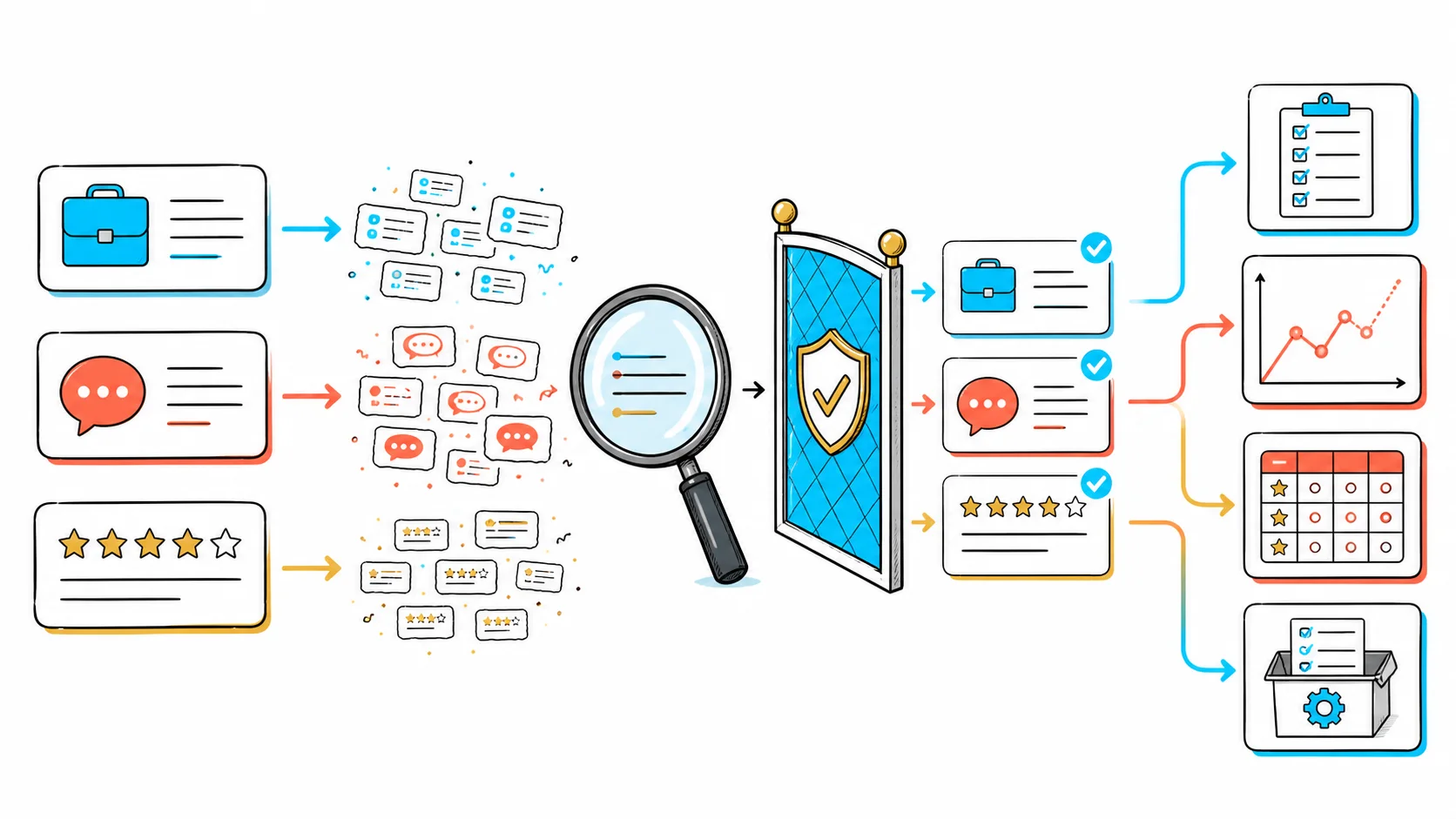
Trend Seeker is a research tool for finding problems that people and organizations are actively trying to solve. It reads public sources such as job ads, discussions, and app reviews. When one of those records contains a useful problem, request, workaround, complaint, or funded responsibility, Trend Seeker stores the relevant text as a traceable signal.
A signal is evidence, not a conclusion. A job ad can show that a company is funding a responsibility. A discussion can show how a practitioner describes a problem. An app review can show a product failure or a reason someone stopped paying. This article reads those records together to answer one narrow question:
The short answer: the signals repeatedly point to four kinds of work — testing real workflows, controlling production releases, calibrating human and automated judgments, and maintaining evaluation assets. The clearest evidence comes from job ads, so it supports internal ownership more strongly than demand for another evaluation product.
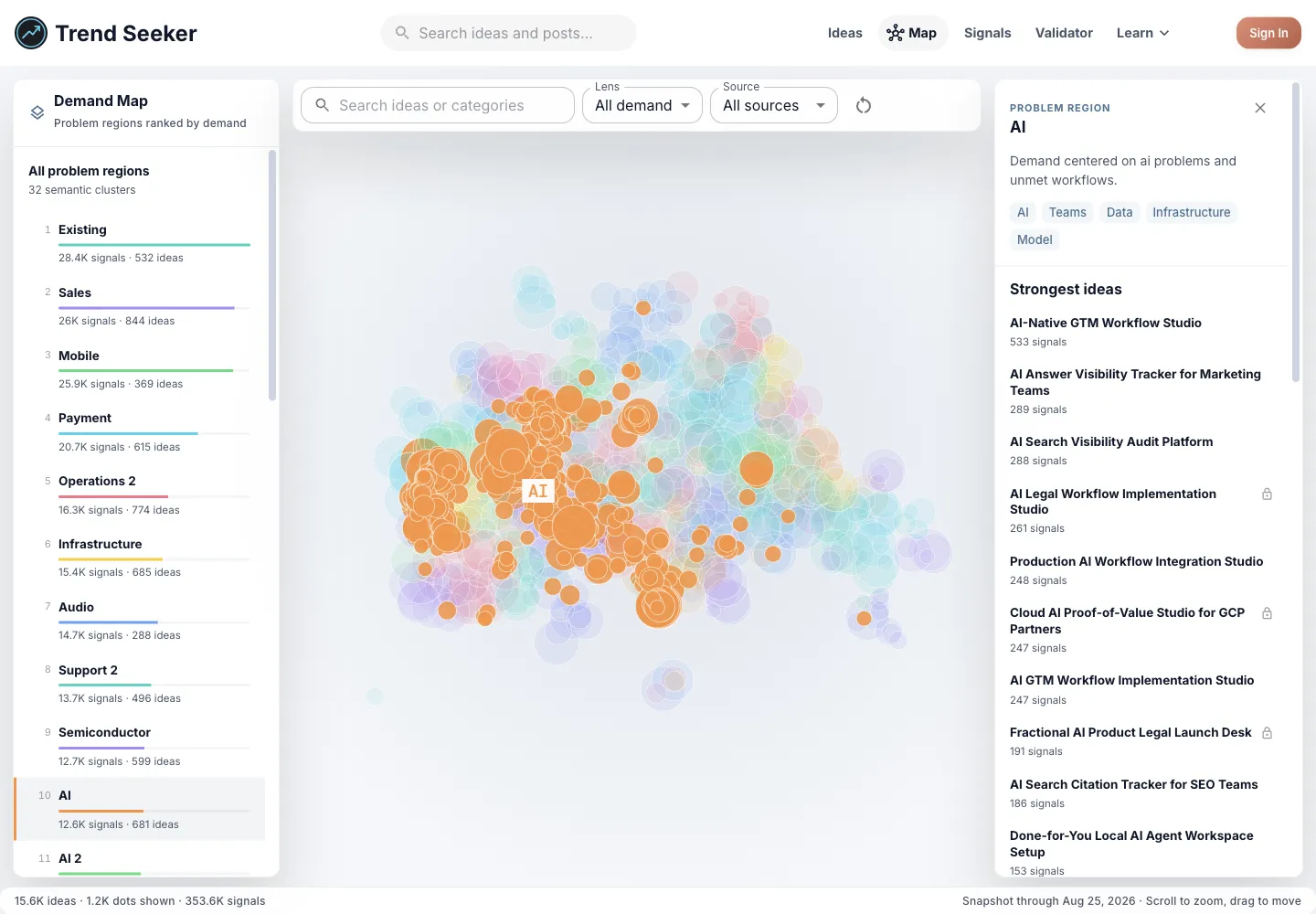
The screen above is Trend Seeker's Demand Map. It places related customer problems near each other and links each grouped opportunity back to its supporting signals. A grouped opportunity is a research hypothesis, not proof that a market exists. For this article, the map only helped select the AI-evaluation area. The conclusions come from reading and counting the underlying signals.
How to read a Trend Seeker signal
A signal is one structured piece of evidence. It retains the public source, observation date, relevant text, source type, and quality metadata. Different sources answer different questions, so Trend Seeker does not treat them as interchangeable.
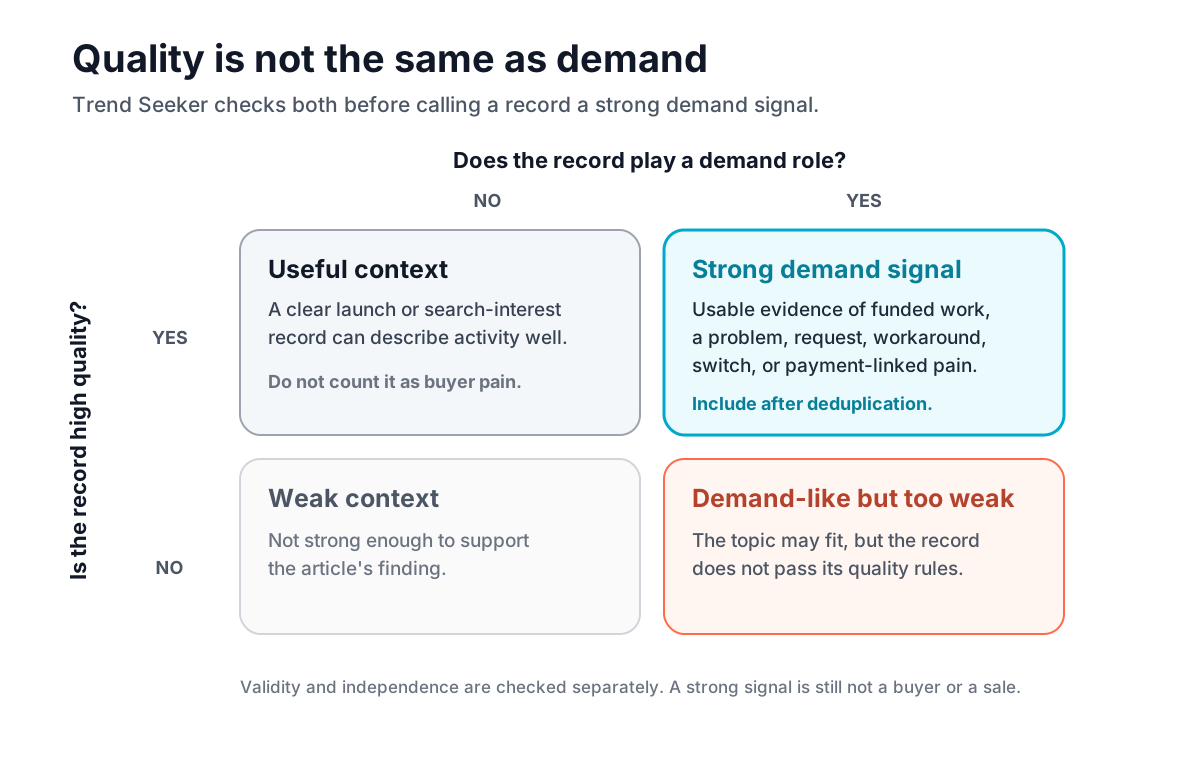
Quality and demand role answer different questions. A complete product launch can be a reliable description of new supply. A rendered Google Trends snapshot can accurately describe relative search interest. Neither record necessarily shows a painful problem or funded work.
From 6,863 records to 1,427 strong demand signals
The Demand Map snapshot was generated on August 27, 2026 at 23:30 UTC and includes data through 23:15 UTC. The analysis covers evaluation-related evidence found across the current AI Gaps regions.
The subtraction is meaningful. A high quality band says the record is usable for its source type. The demand-role check asks whether it supports this article's claim. Only records that pass both checks enter the 1,427-signal set.
The broader qualifying-demand set also contains 462 medium-quality records. This article leaves them out of the main finding so that “strong” has one consistent meaning. Another 42 snapshot records had been invalidated by the August 28 claim check and are excluded.
Five real signals from the evidence set
Aggregate counts become useful only when you can inspect the records behind them. Each card below shows the stored source title and signal text.
Four kinds of evaluation work repeat
After reading the sample records, the larger pattern is easier to interpret. A keyword review of the 1,427 strong-signal texts surfaces four recurring kinds of work. These groups overlap. One record can mention an agent, regression tests, human review, and a golden dataset, so the counts must not be added together.
1. Agents and workflow outcomes
Did the agent finish the task, select the right tool, retrieve the right context, and stay within acceptable cost and latency?
2. Release and production operations
Did a model or prompt change create a regression, and should the release proceed, stop, or roll back?
3. Human and domain assurance
How should specialists define correctness, resolve disagreement, and check that automated graders match expert judgment?
4. Evaluation assets and graders
Who builds and maintains the test cases, golden datasets, rubrics, graders, and pipelines that make failures reproducible?
This is the article's main result: AI evaluation is showing up as an operating function around specific workflows, not as one generic task.
The strongest evidence is concentrated in job ads
Job ads account for 1,254 of the 1,427 strong signals, or 87.9%. Those records come from 1,056 distinct public job URLs?. Reddit contributes 103 strong signals. App reviews contribute 70.
| Source | What it can show | What it cannot establish alone |
|---|---|---|
| Job ads | Responsibilities an organization is prepared to fund and assign. | External buying intent, number of companies, or market size. |
| Questions, operational problems, requests, and workarounds in practitioner language. | A verified budget, representative prevalence, or purchasing authority. | |
| App reviews | Product failures, requests, switching, and complaints connected to paid use. | The root cause, affected-user count, or business-to-business demand. |
The source concentration is itself a finding. Current public evidence is much stronger for internal operating work than for an external AI-evaluation market. Organizations are staffing the responsibility. Users are describing failures. The records do not reveal how much organizations spend on vendors.
What the job ads reveal about budget
A job ad is one of the clearest public signs that an organization has allocated budget to a responsibility. In this dataset, companies are hiring people to own evaluation strategy, build testing systems, calibrate judgments, investigate failures, and connect offline tests to production quality.
Three details matter:
- The budget is mostly visible as headcount. The evidence supports internal ownership more strongly than software or consulting spend.
- The work sits inside real products and workflows. Healthcare, coding agents, enterprise systems, media generation, and consumer assistants require different tasks and thresholds.
- Evaluation is bundled with engineering and operations. Many records combine evaluation with monitoring, data work, release safety, compliance, or product quality.
This makes “organizations fund AI evaluation work” a defensible conclusion. “Organizations want another general-purpose evaluation platform” is not.
Four business opportunities worth investigating
These are current Trend Seeker ideas derived from related signals.
%22%20%2F%3E%0A%20%20%20%20%20%20%0A%20%20%20%20%20%20%3C!--%20Sun%20--%3E%0A%20%20%20%20%20%20%3Ccircle%20cx%3D%22238%22%20cy%3D%2298%22%20r%3D%2254%22%20fill%3D%22hsl(40%2C%2060%25%2C%2075%25)%22%20opacity%3D%220.85%22%20%2F%3E%0A%20%20%20%20%20%20%0A%20%20%20%20%20%20%3C!--%20Background%20Hill%201%20--%3E%0A%20%20%20%20%20%20%3Cpath%20d%3D%22M%200%2096%20Q%20160%2082%20400%2099%20L%20400%20160%20L%200%20160%20Z%22%20fill%3D%22hsl(200%2C%2020%25%2C%2060%25)%22%20%2F%3E%0A%20%20%20%20%20%20%0A%20%20%20%20%20%20%3C!--%20Midground%20Hill%202%20--%3E%0A%20%20%20%20%20%20%3Cpath%20d%3D%22M%200%20112%20Q%20260%20117%20400%20121%20L%20400%20160%20L%200%20160%20Z%22%20fill%3D%22hsl(215%2C%2015%25%2C%2045%25)%22%20%2F%3E%0A%20%20%20%20%20%20%0A%20%20%20%20%20%20%3C!--%20Foreground%20Hill%203%20--%3E%0A%20%20%20%20%20%20%3Cpath%20d%3D%22M%200%20128%20Q%20120%20140%20400%20142%20L%20400%20160%20L%200%20160%20Z%22%20fill%3D%22hsl(225%2C%2020%25%2C%2030%25)%22%20%2F%3E%0A%20%20%20%20%20%20%0A%20%20%20%20%20%20%3C!--%20Technical%20grid%20overlay%20removed%20for%20a%20cleaner%20organic%20look%20--%3E%0A%20%20%20%20%3C%2Fsvg%3E)
%22%20%2F%3E%0A%20%20%20%20%20%20%0A%20%20%20%20%20%20%3C!--%20Sun%20--%3E%0A%20%20%20%20%20%20%3Ccircle%20cx%3D%22109%22%20cy%3D%2269%22%20r%3D%2242%22%20fill%3D%22hsl(35%2C%2060%25%2C%2070%25)%22%20opacity%3D%220.85%22%20%2F%3E%0A%20%20%20%20%20%20%0A%20%20%20%20%20%20%3C!--%20Background%20Hill%201%20--%3E%0A%20%20%20%20%20%20%3Cpath%20d%3D%22M%200%2096%20Q%20160%2073%20400%2084%20L%20400%20160%20L%200%20160%20Z%22%20fill%3D%22hsl(85%2C%2020%25%2C%2055%25)%22%20%2F%3E%0A%20%20%20%20%20%20%0A%20%20%20%20%20%20%3C!--%20Midground%20Hill%202%20--%3E%0A%20%20%20%20%20%20%3Cpath%20d%3D%22M%200%20112%20Q%20260%20110%20400%20105%20L%20400%20160%20L%200%20160%20Z%22%20fill%3D%22hsl(100%2C%2015%25%2C%2042%25)%22%20%2F%3E%0A%20%20%20%20%20%20%0A%20%20%20%20%20%20%3C!--%20Foreground%20Hill%203%20--%3E%0A%20%20%20%20%20%20%3Cpath%20d%3D%22M%200%20128%20Q%20120%20127%20400%20145%20L%20400%20160%20L%200%20160%20Z%22%20fill%3D%22hsl(120%2C%2020%25%2C%2030%25)%22%20%2F%3E%0A%20%20%20%20%20%20%0A%20%20%20%20%20%20%3C!--%20Technical%20grid%20overlay%20removed%20for%20a%20cleaner%20organic%20look%20--%3E%0A%20%20%20%20%3C%2Fsvg%3E)
%22%20%2F%3E%0A%20%20%20%20%20%20%0A%20%20%20%20%20%20%3C!--%20Sun%20--%3E%0A%20%20%20%20%20%20%3Ccircle%20cx%3D%22212%22%20cy%3D%2272%22%20r%3D%2224%22%20fill%3D%22hsl(40%2C%2060%25%2C%2075%25)%22%20opacity%3D%220.85%22%20%2F%3E%0A%20%20%20%20%20%20%0A%20%20%20%20%20%20%3C!--%20Background%20Hill%201%20--%3E%0A%20%20%20%20%20%20%3Cpath%20d%3D%22M%200%2096%20Q%20160%2096%20400%2058%20L%20400%20160%20L%200%20160%20Z%22%20fill%3D%22hsl(200%2C%2020%25%2C%2060%25)%22%20%2F%3E%0A%20%20%20%20%20%20%0A%20%20%20%20%20%20%3C!--%20Midground%20Hill%202%20--%3E%0A%20%20%20%20%20%20%3Cpath%20d%3D%22M%200%20112%20Q%20260%2062%20400%2081%20L%20400%20160%20L%200%20160%20Z%22%20fill%3D%22hsl(215%2C%2015%25%2C%2045%25)%22%20%2F%3E%0A%20%20%20%20%20%20%0A%20%20%20%20%20%20%3C!--%20Foreground%20Hill%203%20--%3E%0A%20%20%20%20%20%20%3Cpath%20d%3D%22M%200%20128%20Q%20120%2083%20400%20123%20L%20400%20160%20L%200%20160%20Z%22%20fill%3D%22hsl(225%2C%2020%25%2C%2030%25)%22%20%2F%3E%0A%20%20%20%20%20%20%0A%20%20%20%20%20%20%3C!--%20Technical%20grid%20overlay%20removed%20for%20a%20cleaner%20organic%20look%20--%3E%0A%20%20%20%20%3C%2Fsvg%3E)
%22%20%2F%3E%0A%20%20%20%20%20%20%0A%20%20%20%20%20%20%3C!--%20Sun%20--%3E%0A%20%20%20%20%20%20%3Ccircle%20cx%3D%22163%22%20cy%3D%2273%22%20r%3D%2231%22%20fill%3D%22hsl(40%2C%2060%25%2C%2075%25)%22%20opacity%3D%220.85%22%20%2F%3E%0A%20%20%20%20%20%20%0A%20%20%20%20%20%20%3C!--%20Background%20Hill%201%20--%3E%0A%20%20%20%20%20%20%3Cpath%20d%3D%22M%200%2096%20Q%20160%2087%20400%2053%20L%20400%20160%20L%200%20160%20Z%22%20fill%3D%22hsl(200%2C%2020%25%2C%2060%25)%22%20%2F%3E%0A%20%20%20%20%20%20%0A%20%20%20%20%20%20%3C!--%20Midground%20Hill%202%20--%3E%0A%20%20%20%20%20%20%3Cpath%20d%3D%22M%200%20112%20Q%20260%2084%20400%2099%20L%20400%20160%20L%200%20160%20Z%22%20fill%3D%22hsl(215%2C%2015%25%2C%2045%25)%22%20%2F%3E%0A%20%20%20%20%20%20%0A%20%20%20%20%20%20%3C!--%20Foreground%20Hill%203%20--%3E%0A%20%20%20%20%20%20%3Cpath%20d%3D%22M%200%20128%20Q%20120%2089%20400%20126%20L%20400%20160%20L%200%20160%20Z%22%20fill%3D%22hsl(225%2C%2020%25%2C%2030%25)%22%20%2F%3E%0A%20%20%20%20%20%20%0A%20%20%20%20%20%20%3C!--%20Technical%20grid%20overlay%20removed%20for%20a%20cleaner%20organic%20look%20--%3E%0A%20%20%20%20%3C%2Fsvg%3E)
The cards turn evidence into hypotheses; they do not turn signal counts into market size. A buyer conversation still has to establish ownership, urgency, budget, and willingness to purchase.
What the evidence supports
Supported by the signals
- Organizations fund AI evaluation as internal work.
- Evaluation is tied to specific workflows and release decisions.
- Automated checks still require human and domain calibration.
- Failures appear in public user feedback, including payment-linked complaints.
Not established by the signals
- The number of unique companies or buyers.
- Market size, revenue, or vendor spending.
- Willingness to outsource internally owned work.
- A missing horizontal platform that fits every workflow.
The main finding is operational: AI evaluation is becoming repeatable work around task outcomes, releases, human judgment, and maintained test assets. The strongest public evidence shows organizations assigning people to that work. Product demand is a separate claim that would require procurement, switching, or direct buying evidence.
You can inspect current records in the Trend Seeker signals explorer and read how the broader scoring system works in Understanding evidence scores. For comparison, V2 explains the path from signal quality to a possible offer in AI Evaluation Demand Signals, while the original article starts from grouped opportunities in AI Evaluation Business Opportunities.
Methodology
This analysis uses Demand Map version a6bcfdcb-12b1-4012-919d-7fd6d42f395a, generated August 27, 2026 at 23:30:15 UTC with data through 23:15:00 UTC. It selects evidence attached to evaluation-related records across every current region whose name starts with AI Gaps. The title boundary uses evaluation, eval, benchmark, quality, reliability, test, and assurance language. The 299 selected idea records only define the retrieval boundary; they are not counted as evidence in the article's findings.
The resulting raw pool is joined to current signal-quality records. Records invalidated by the August 28 claim check are removed. A strong demand signal must be valid, use quality schema v2, have a high quality band, meet or exceed its source-specific weighted threshold, and play a demand role under the current source rules.
Job ads qualify only when the extracted section represents responsibilities, a job description, product mission, customer workflow, or operational pain. Reddit launch records are excluded. App reviews qualify only when classified as a problem, feature request, workaround, switching event, or willingness-to-pay record. Product Hunt launches, Google Trends snapshots, Hacker News records, and AlternativeTo records do not play a demand role in this measurement.
Independent counts retain one strongest and freshest record per source kind plus logical signal key. Source URLs are counted separately. Theme counts use case-insensitive keyword expressions over signal titles and text. They overlap and are descriptive summaries, not a trained taxonomy. Sample cards reproduce exact excerpts from the stored signal text. Public source pages can change or disappear after the snapshot.
Sources and further reading
Ready to find your next business idea?
Explore validated business ideas backed by real user demand.